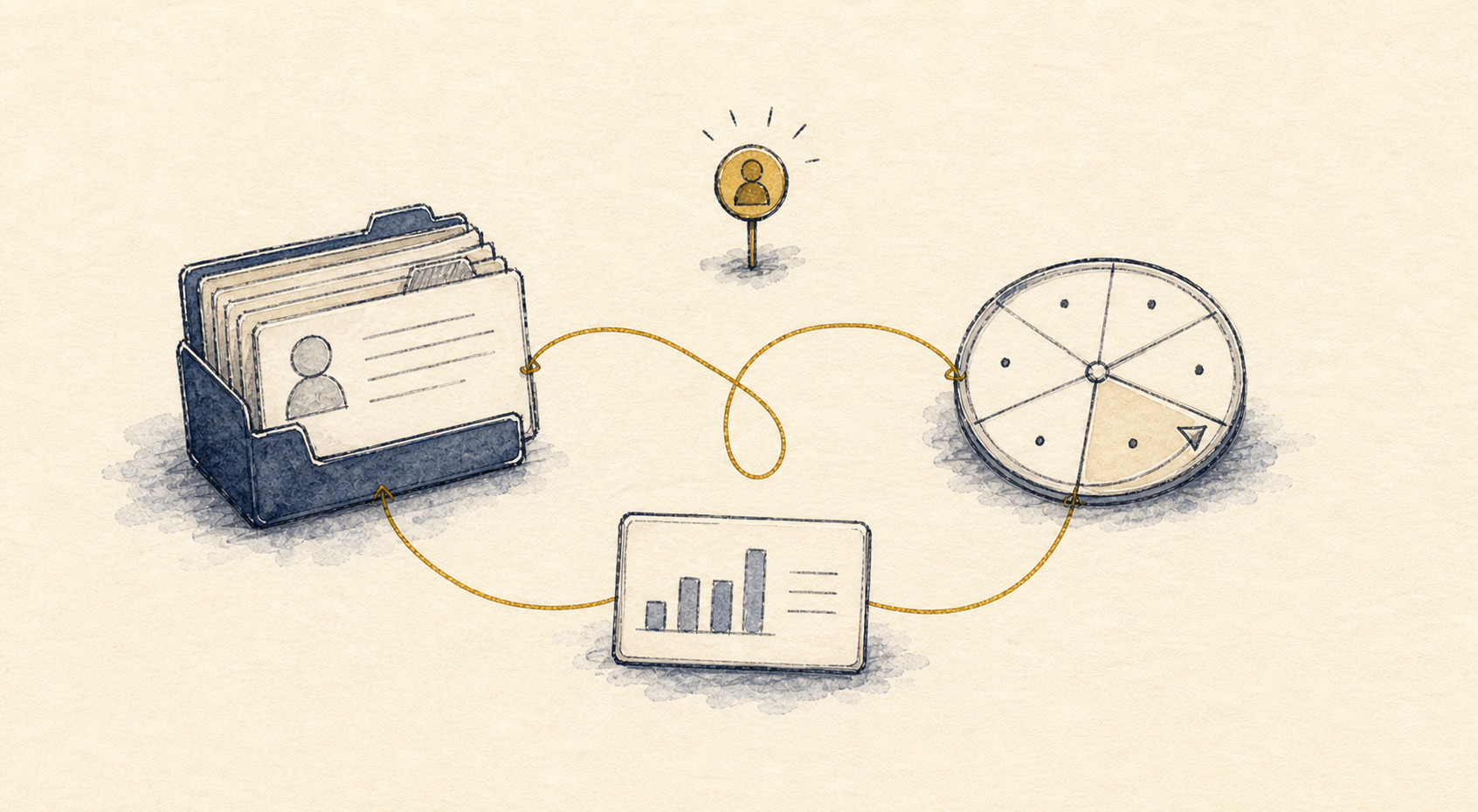
CRM, BI, and the Reality of Institutional Change
technology 7 min read
Institutional change is rarely blocked by software capability; it is blocked by workflow mismatch, role ambiguity, weak data discipline, and missing execution rituals.
Start Here
New to the site? Start with one pillar post, then jump into the topic tracks that match your focus.
Institutional change is rarely blocked by software capability; it is blocked by workflow mismatch, role ambiguity, weak data discipline, and missing execution rituals.
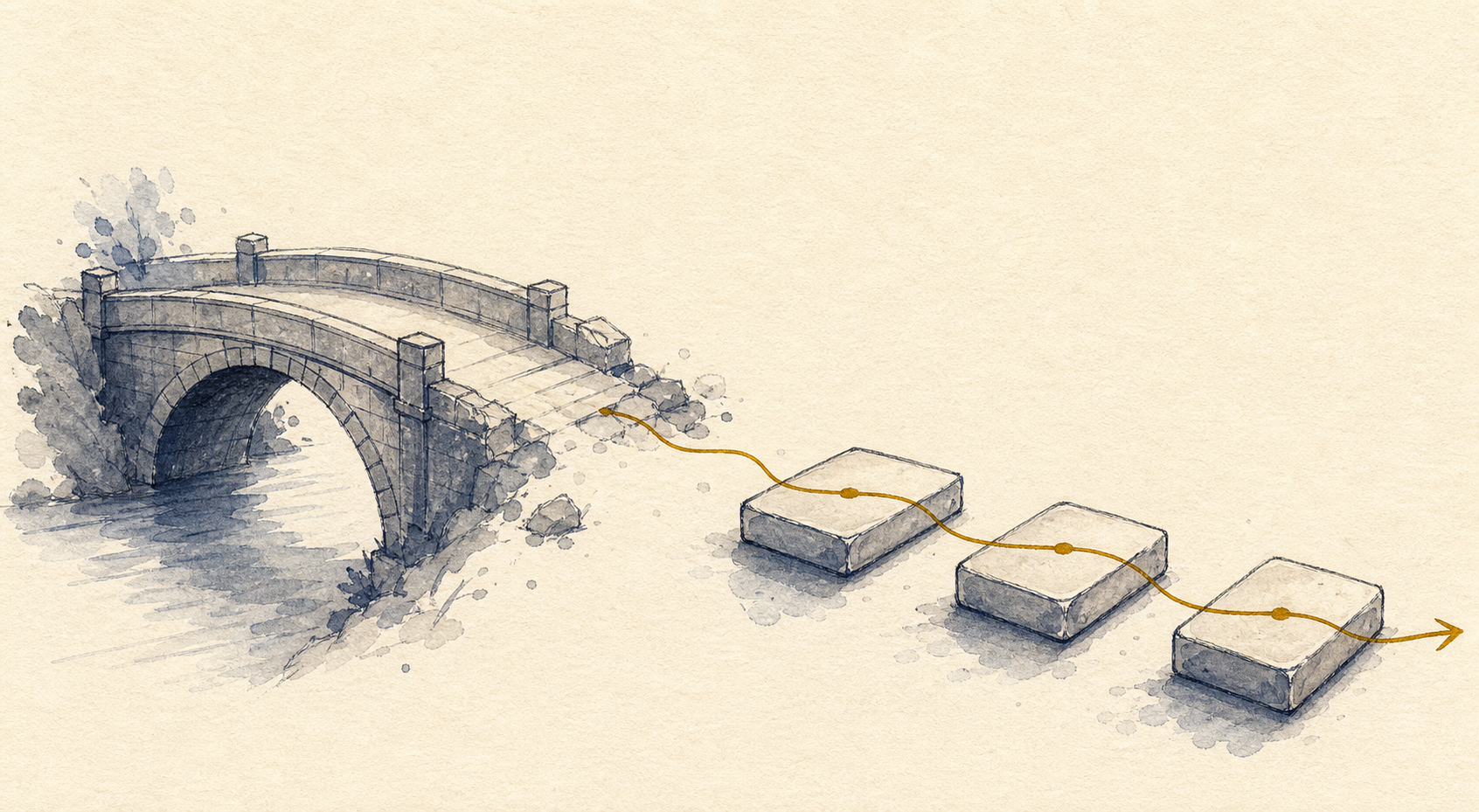
A practical translation layer from large-bank transformation programs to product systems that work in modern wealth-tech environments.
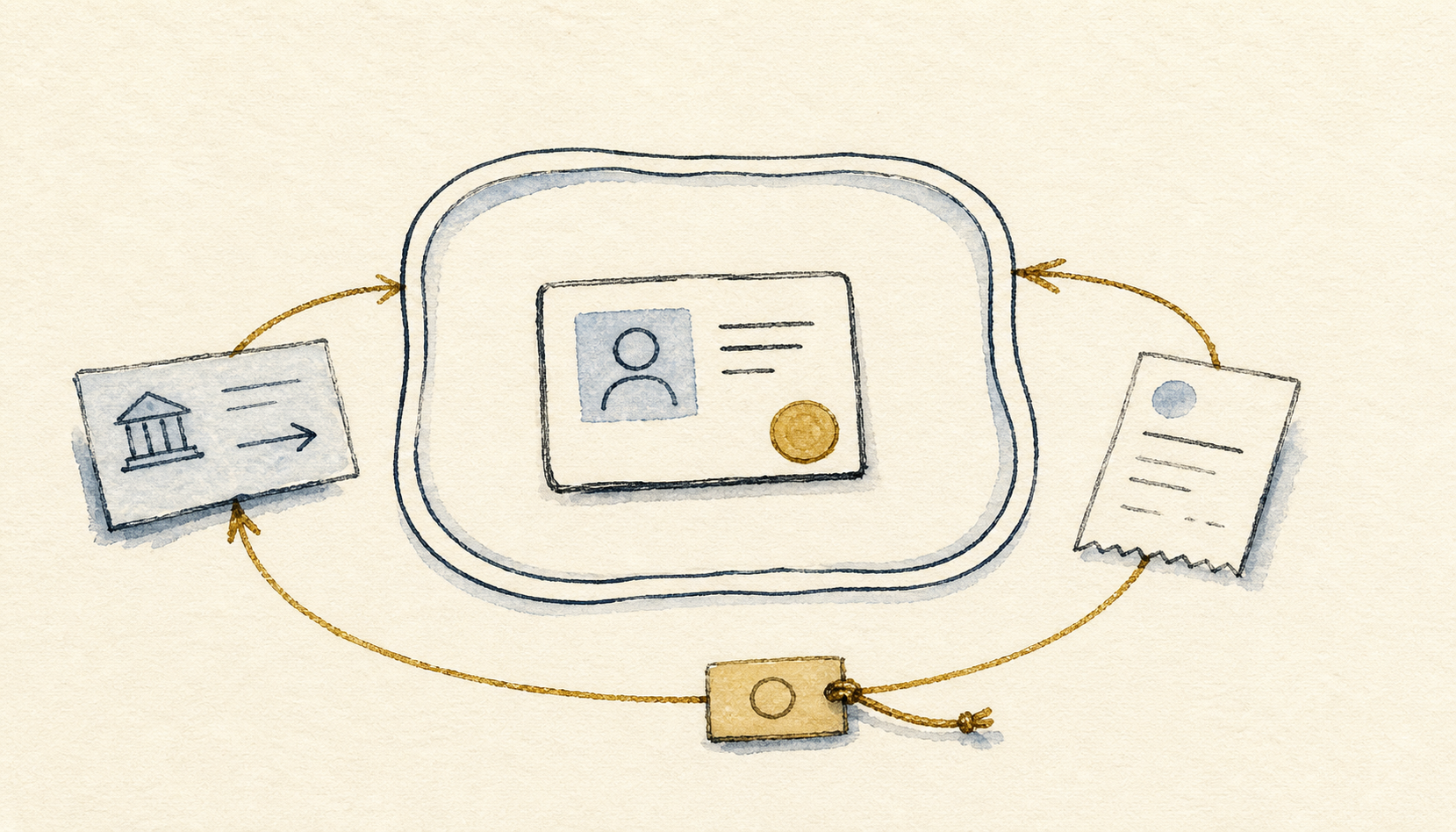
Open banking becomes more consequential when permission moves from letting a product see financial data to letting it move money under specific conditions.
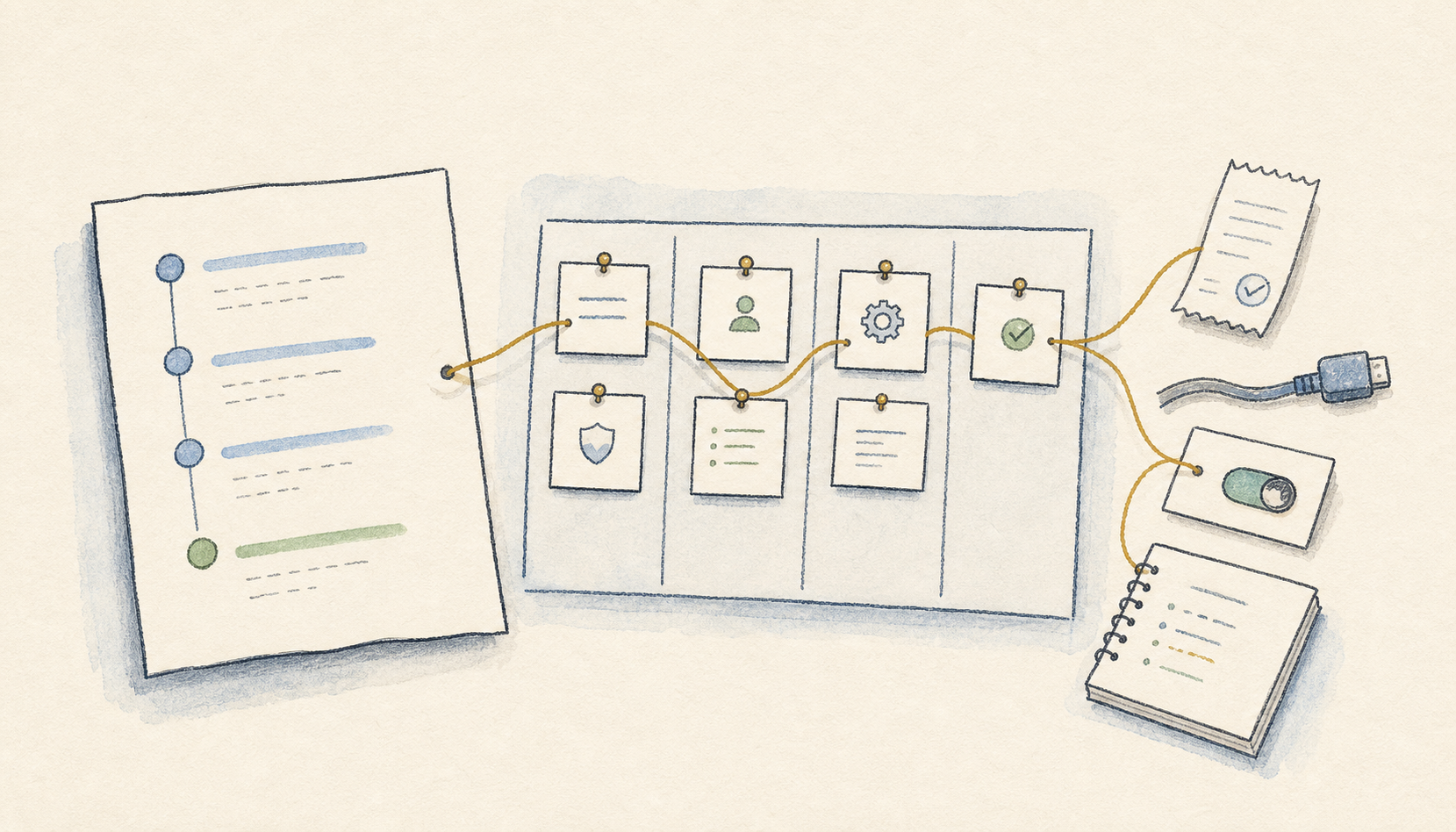
Open finance will not become real because a roadmap exists. It becomes real when rights are turned into product work people can actually use.
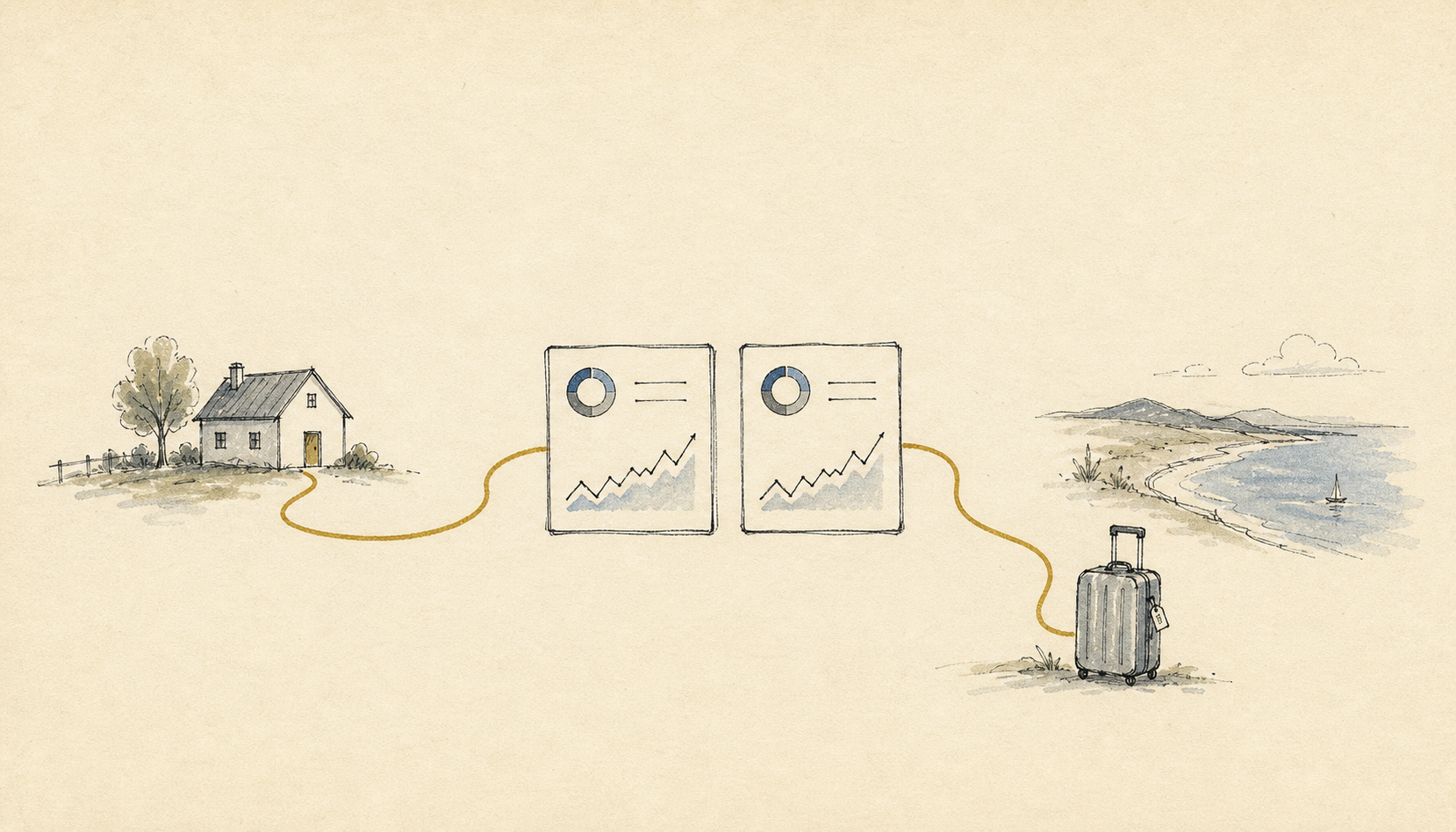
A portfolio can tell an AI what someone owns. It cannot explain what the money is for, what the person fears, or what tradeoffs they are living with.
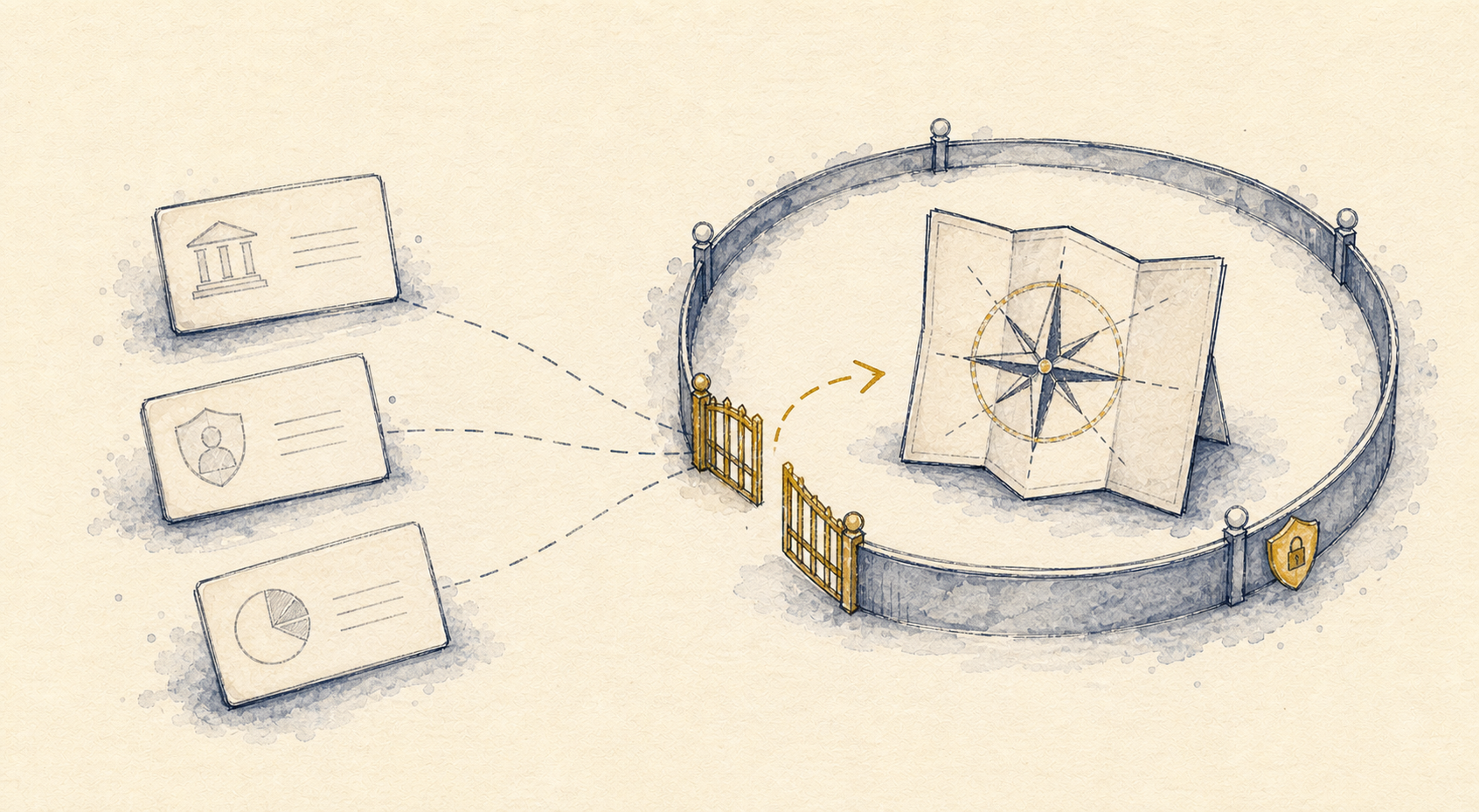
AI financial advice should not be judged only by the answer it gives. The safer question is what data it can see, what it can do, and who can inspect the boundary.
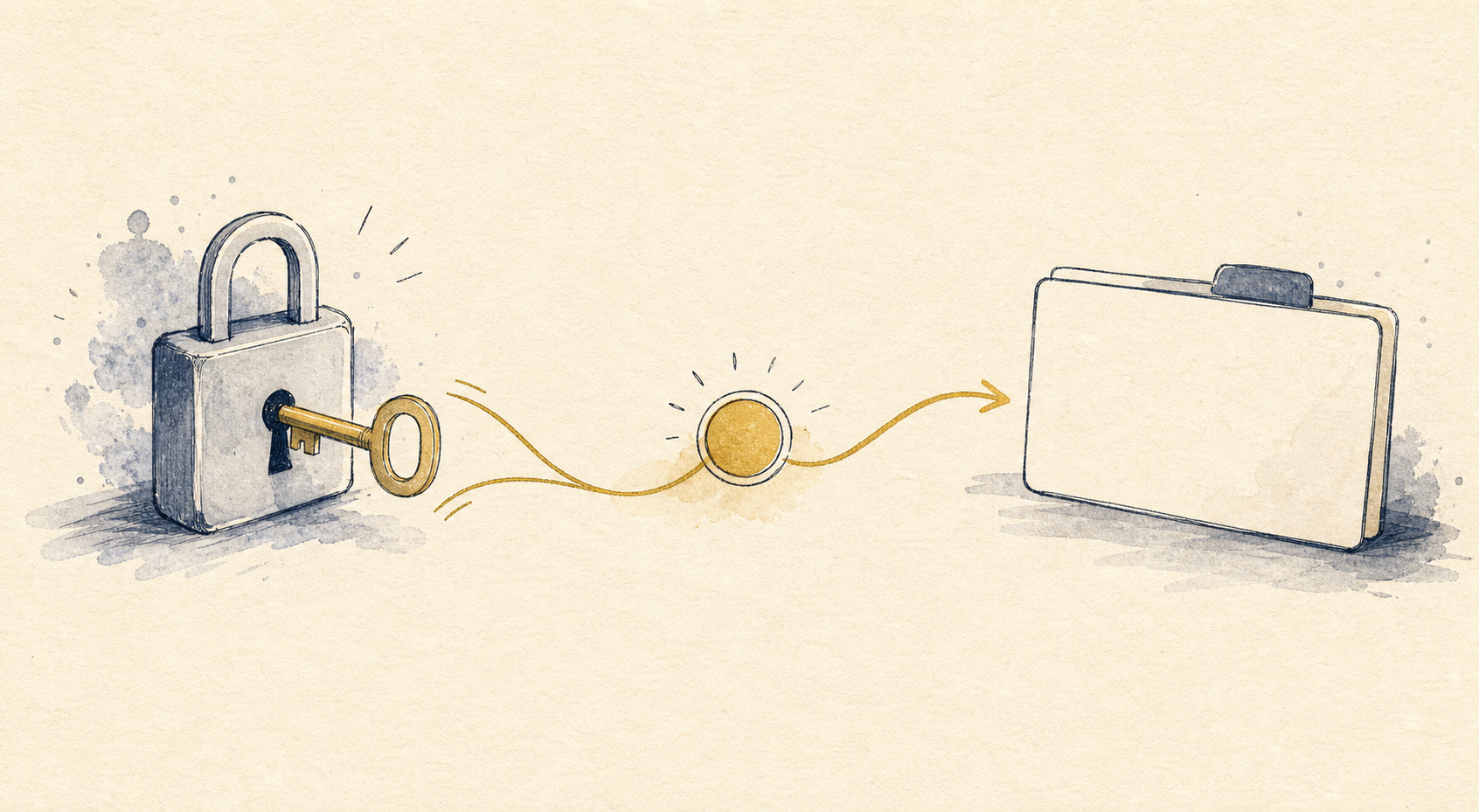
Open finance makes consumer consent economically valuable. The firms that win will make permission specific, useful, and reversible.

Lost pension money is often described as a savings problem. Before advice can help, it is usually a data-location and identity-matching problem.
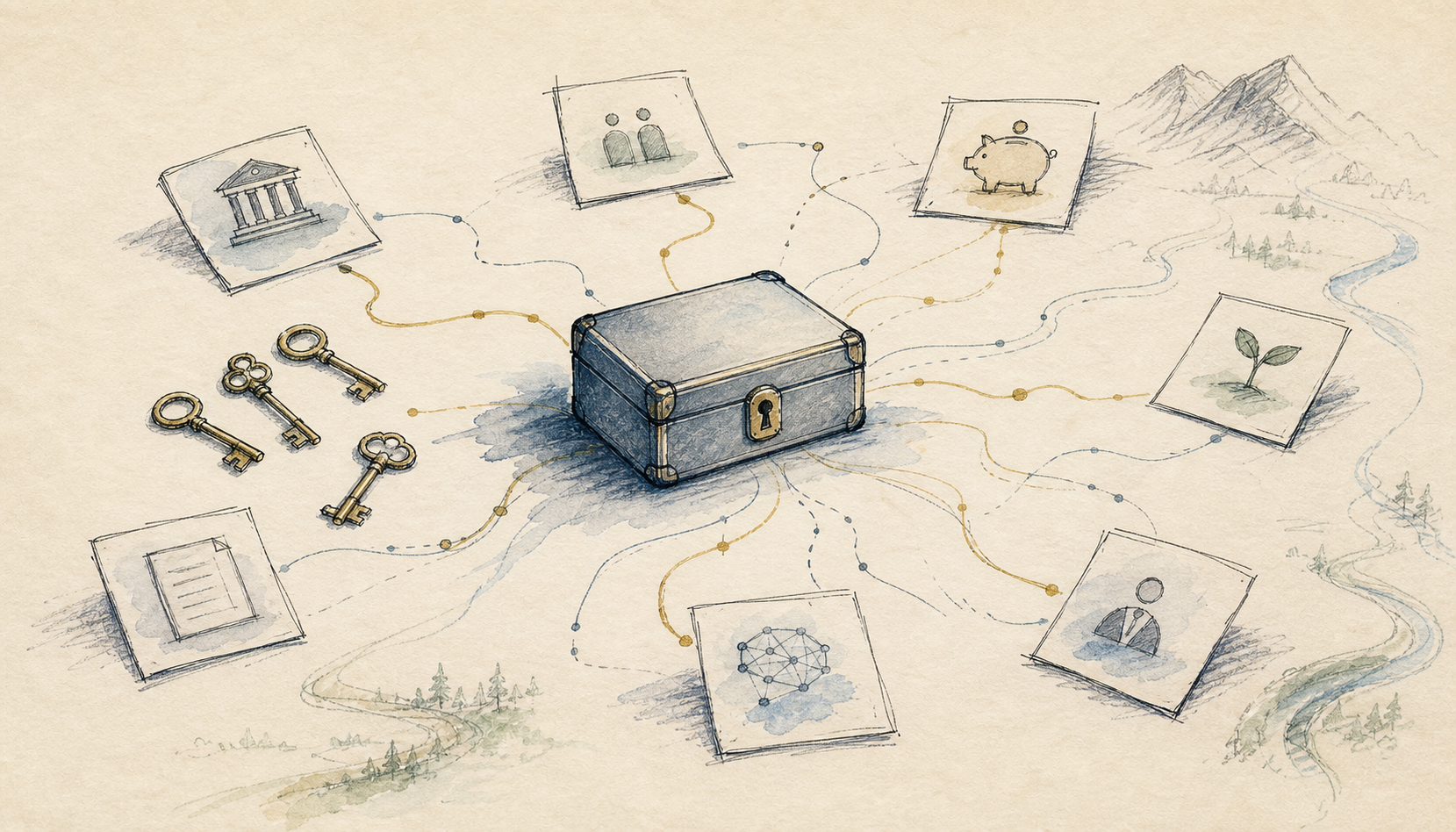
If open finance makes data more portable and AI advice becomes more context-hungry, the missing product may be a personal financial data vault.
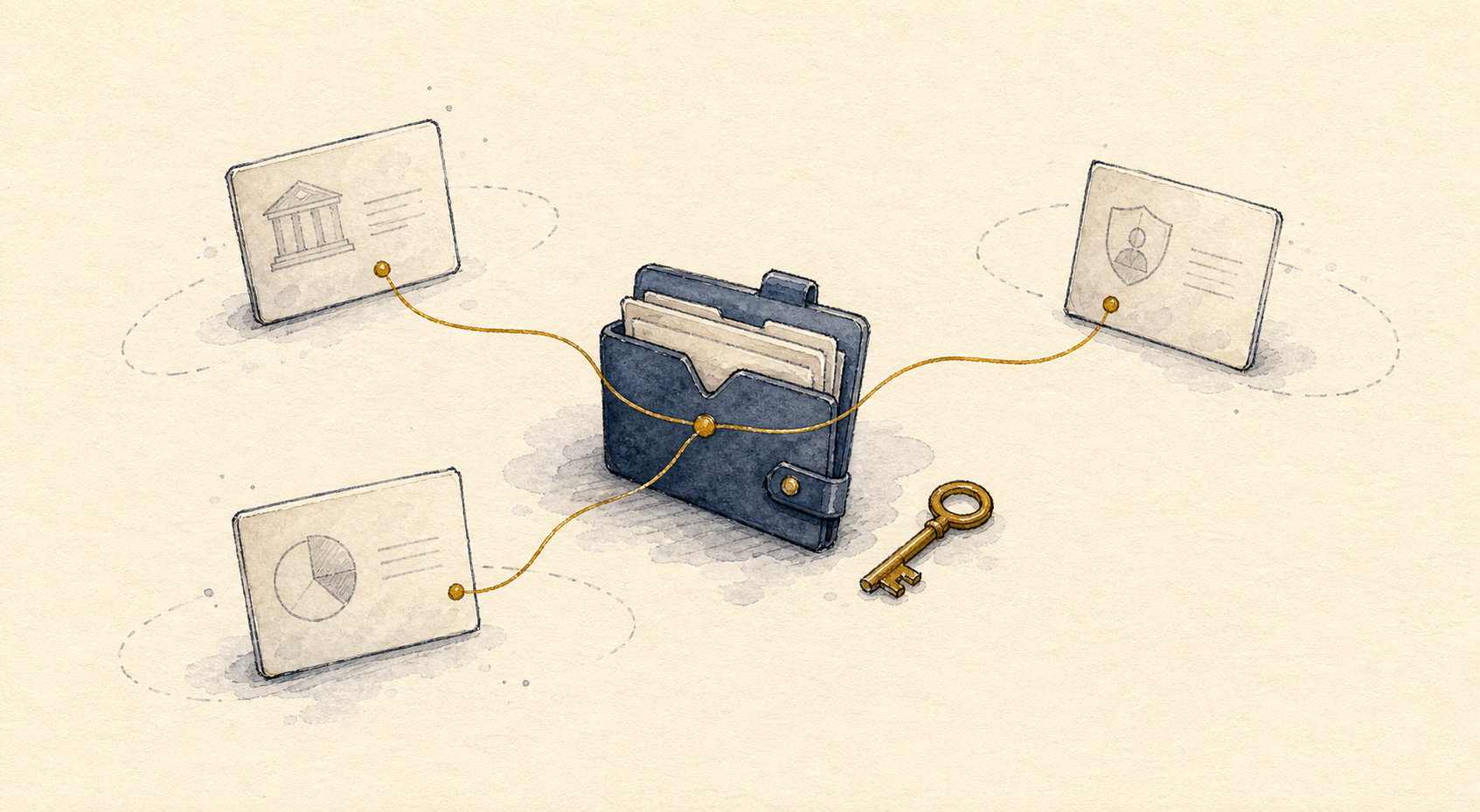
Wealth firms are building AI-ready data layers. The missing question is whether the client's own wealth context should be portable and controlled by the client.
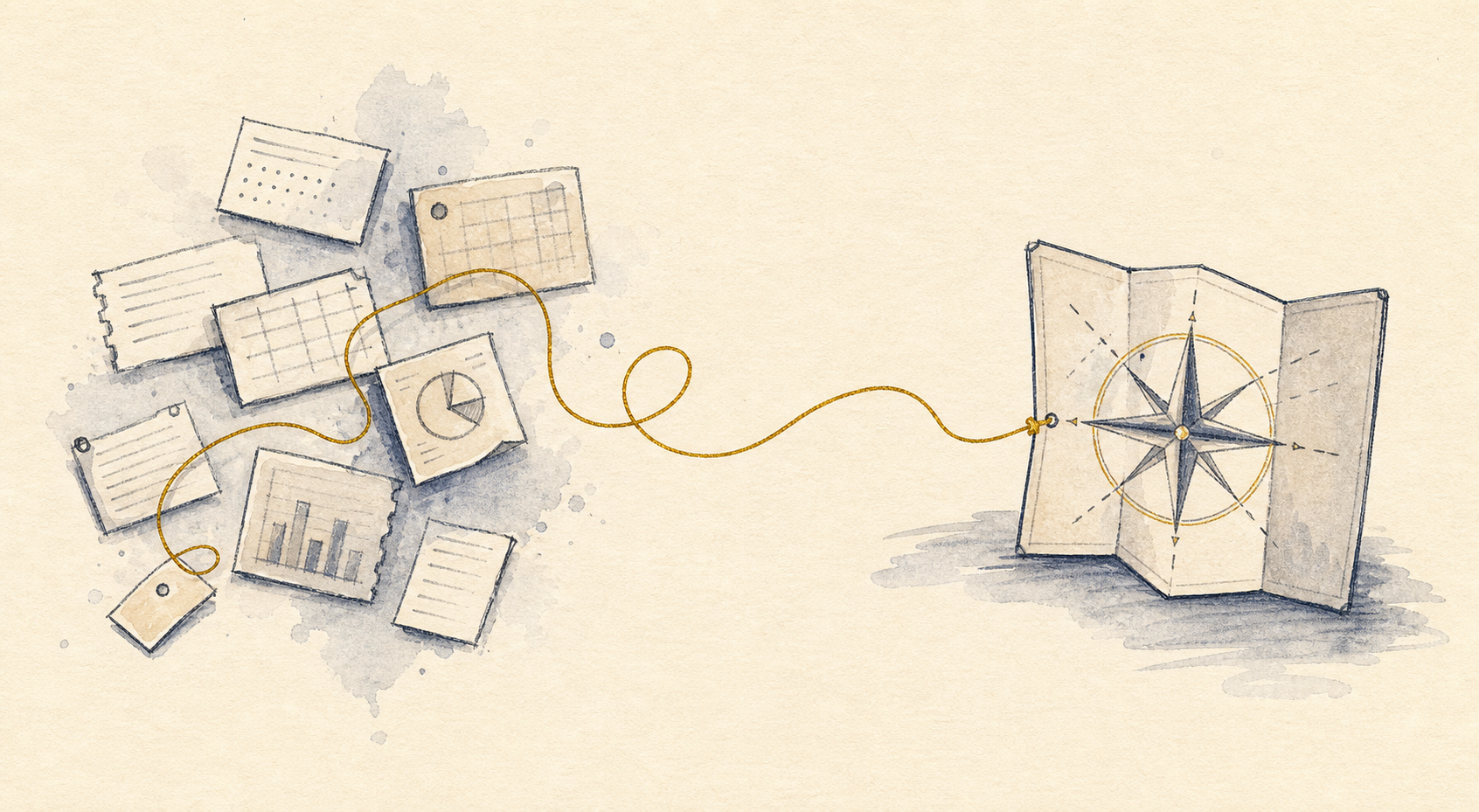
Open finance is usually framed as better account connectivity. The more interesting question is what happens when permissioned financial data becomes the raw material for advice.
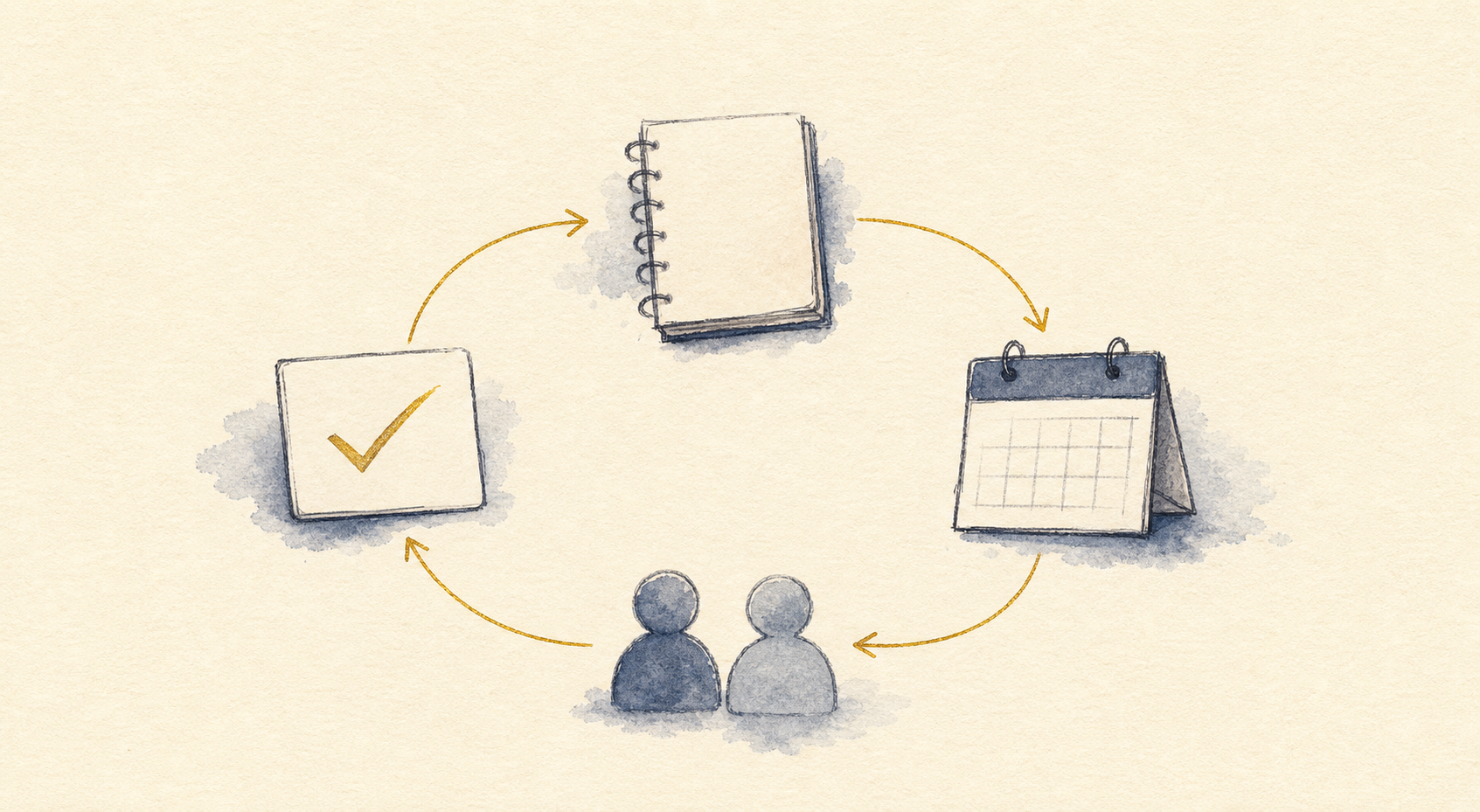
Engagement systems work when they are operationally lightweight, behaviorally clear, and tied to revenue-adjacent client moments.
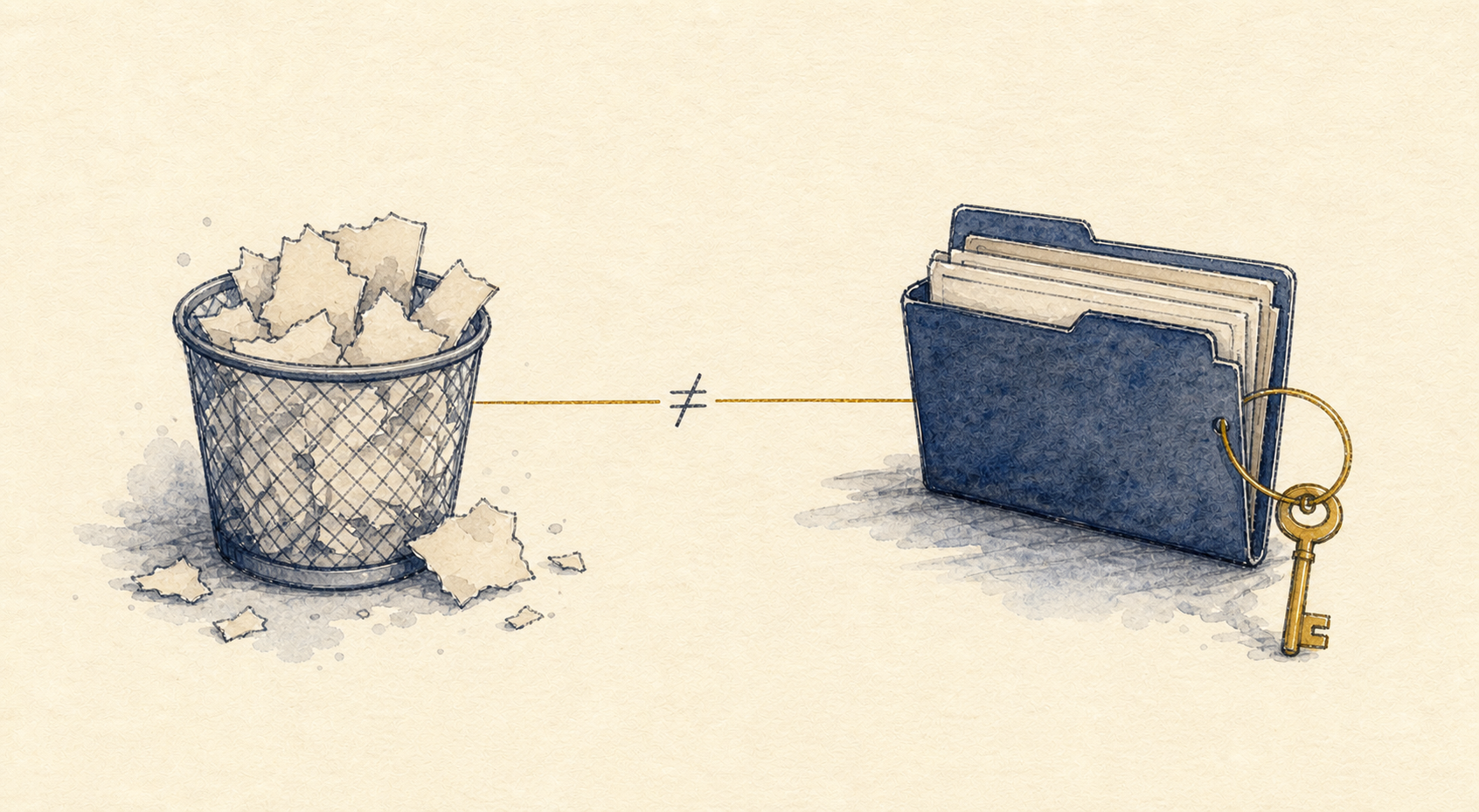
California’s DROP is real progress, but deletion is the defensive version of control. Ownership has to mean more than removal.
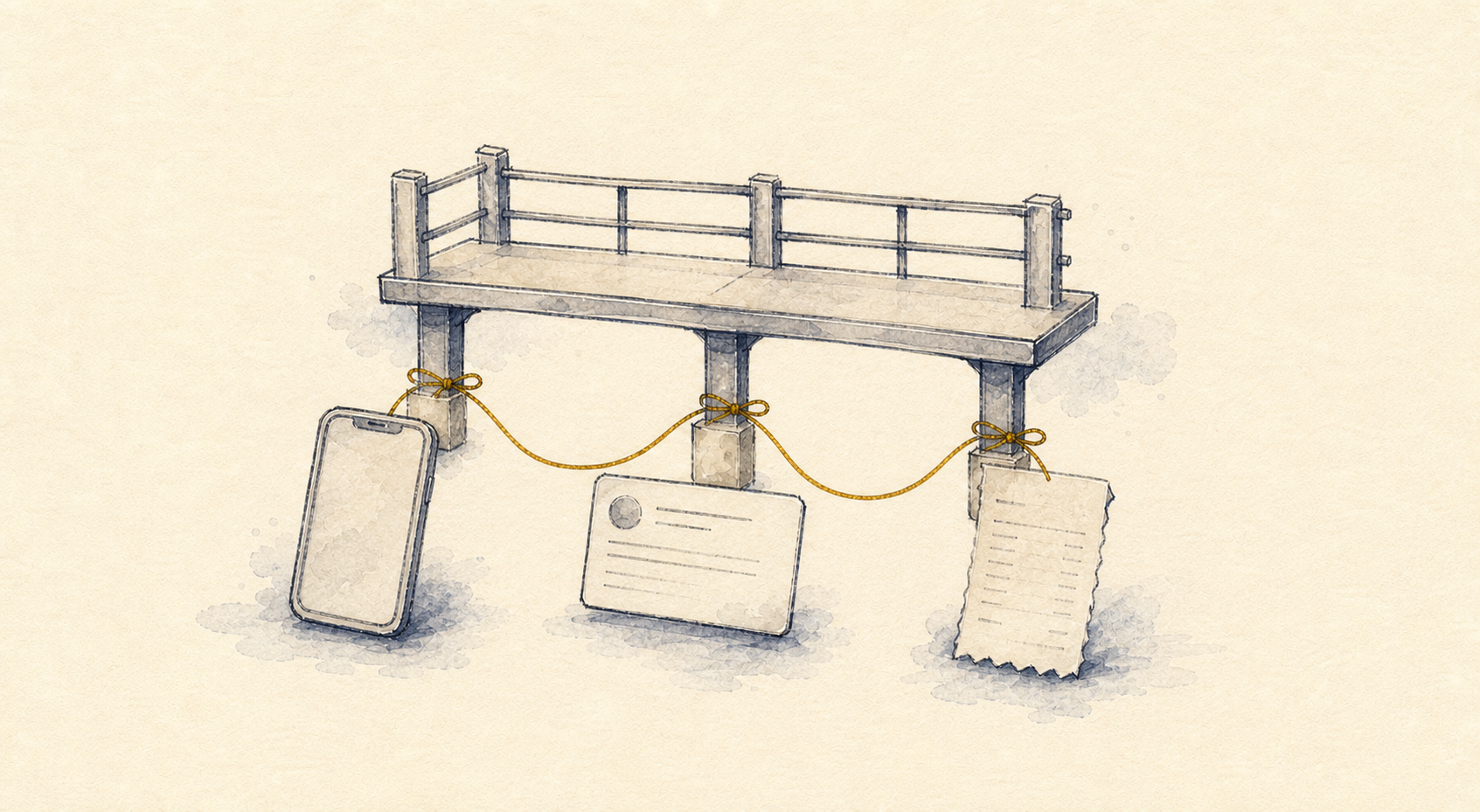
Connected products already create useful personal data. The hard part is turning legal access into something people can actually use.
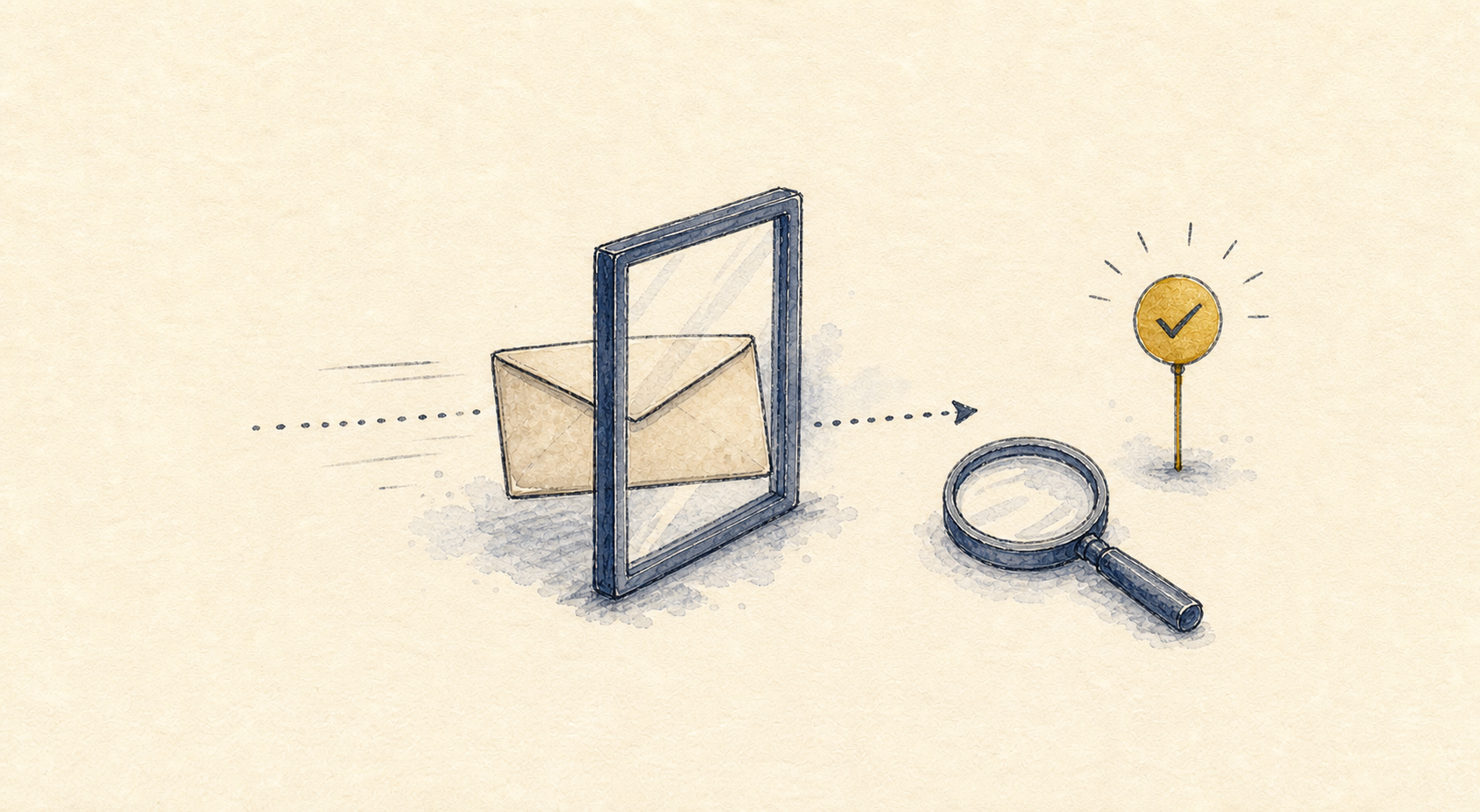
Private AI should not be a trust-me label. It should be an architecture claim that can be tested, inspected, and challenged.
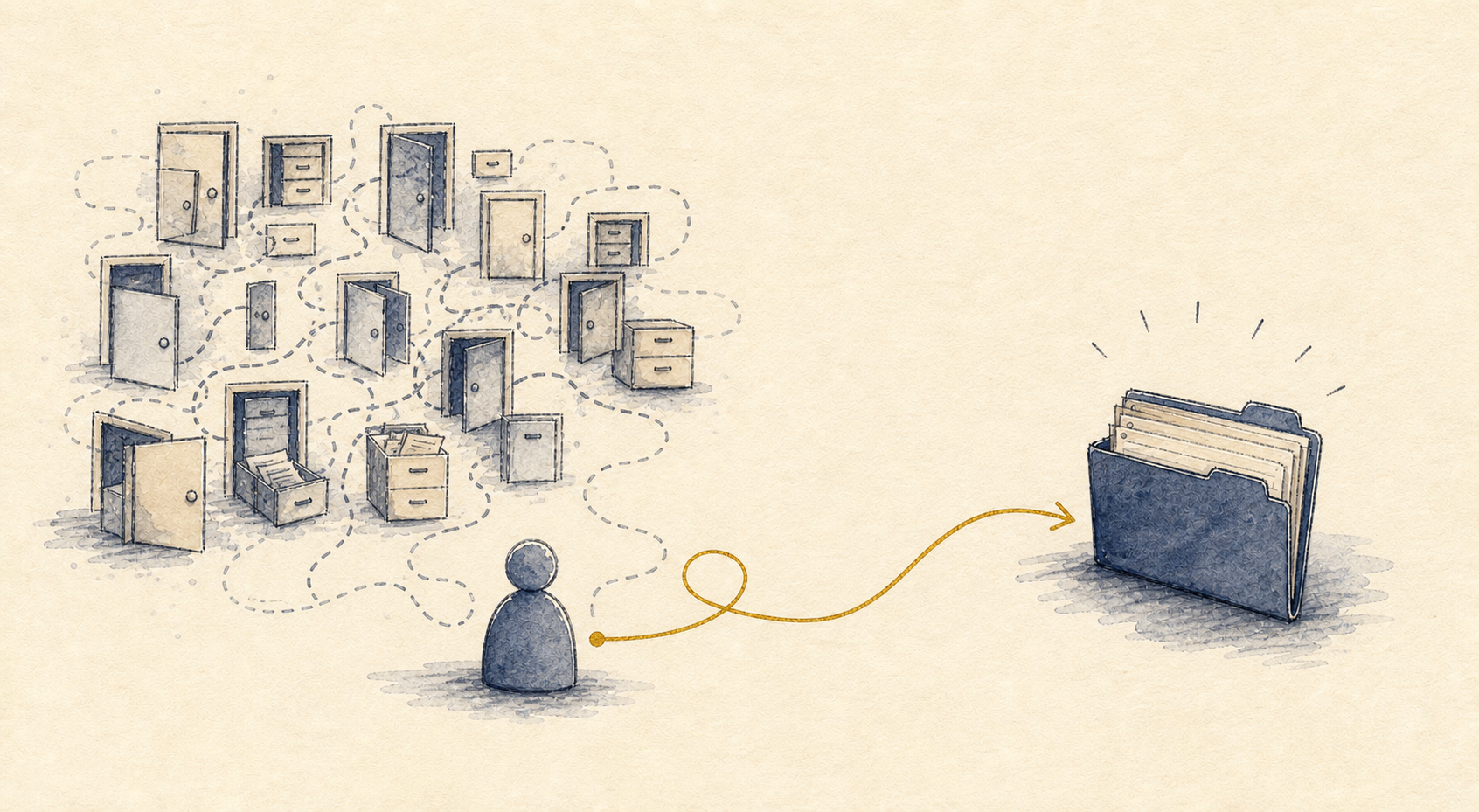
If privacy depends on filling out hundreds of requests, the system is designed against the individual.

Personal AI becomes more useful as the context gets more candid. That is exactly why the trust boundary matters.
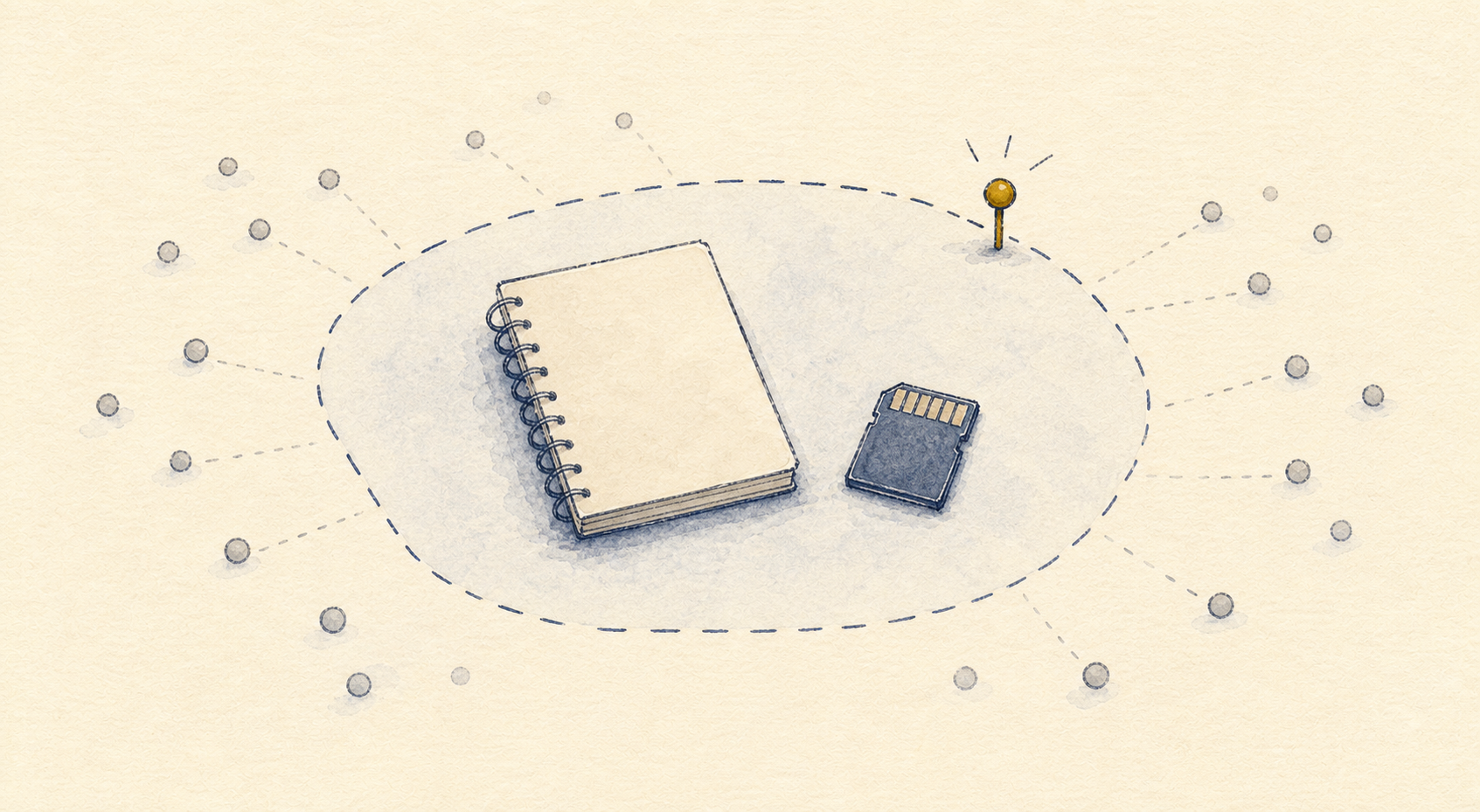
AI privacy settings are only useful if people can understand the boundary they are controlling.

AI assistants are starting to remember enough to become genuinely useful. That also makes memory the next ownership problem.
Modern communication has become ambient, semi-open, and psychologically strange. The real burden may be unresolved context rather than unfinished tasks.
This site is the home base: a place for durable writing, working notes, and ideas that should not depend on whichever feed happens to be paying attention this week.